Your electricity bill is about to double. Let the grid pay some of it back.
Your electricity bill is about to double. Let the grid pay some of it back.
Your electricity bill is about to double. Let the grid pay some of it back.
We install a battery at your cold chain facility at no cost and enrol it in Singapore's Demand Response Programme. You earn guaranteed monthly income to offset the hike.


POST-HORMUZ ENERGY MARKET
POST-HORMUZ ENERGY MARKET
Your electricity retail contract is about to reprice.
Your electricity retail contract is about to reprice.
Since the Hormuz disruption in late 2025, Singapore's USEP has stayed elevated and every retailer is repricing - shorter contract terms, higher fixed-rate premiums, and floating tariffs that pass spikes straight through to you. Switching retailers won't reverse this; a battery that earns monthly income will.
Since the Hormuz disruption in late 2025, Singapore's USEP has stayed elevated and every retailer is repricing - shorter contract terms, higher fixed-rate premiums, and floating tariffs that pass spikes straight through to you. Switching retailers won't reverse this; a battery that earns monthly income will.
Your bill today
Your bill today
Hypothetical
$
163k
163k
/
qtr
400 kW continuous load
Based on 400 kW continuous load
Current retail contract
Current retail contract
No on-site battery
No on-site battery
No hedge against USEP
No hedge against USEP
Without action
Without action
Q3 2026
$
391k
391k
/
qtr
Under floating tariff exposure
USEP spikes hit your bill directly
USEP spikes hit your bill directly
Short contracts, frequent repricing
Short contracts, frequent repricing
2-3× cost increase vs. today
2-3× cost increase vs. today
With BWE battery
With BWE battery
You Earn
You Earn
Battery enrolled in Singapore's VPP
Fixed monthly payments to you
Fixed monthly payments to you
Grid pays you for demand response
Grid pays you for demand response
Hedges your USEP exposure
Hedges your USEP exposure
Zero-CAPEX - we finance the battery
Zero-CAPEX - we finance the battery
* Based on a typical cold room facility with 400 kW continuous load. Projected costs under floating tariff / fixed rate structure. Actual savings vary by site, load profile, and market conditions.


What is demand response?
What is Demand Response?
The grid pays you to keep a battery on standby.
The grid pays you to keep a battery on standby.
Every day, Singapore's grid has to balance supply and demand in real time. When demand spikes, the grid operator has two choices: fire up an expensive gas-fired generator, or pay a battery - to discharge instead. Paying the battery is faster and cheaper. That's the service. It's called demand response, and it's run by the Energy Market Authority.
Every day, Singapore's grid has to balance supply and demand in real time. When demand spikes, the grid operator has two choices: fire up an expensive gas-fired generator, or pay a battery - to discharge instead. Paying the battery is faster and cheaper. That's the service. It's called demand response, and it's run by the Energy Market Authority.
Here's what makes it unusual as a revenue stream: you get paid for the option to discharge at short notice, whether the grid ever calls on you or not. When it does call, you get paid more. Batteries were only allowed to start earning in this market in October 2024, when EMA changed the rules to let them in. That's the opportunity we help you capture.
Here's what makes it unusual as a revenue stream: you get paid for the option to discharge at short notice, whether the grid ever calls on you or not. When it does call, you get paid more. Batteries were only allowed to start earning in this market in October 2024, when EMA changed the rules to let them in. That's the opportunity we help you capture.
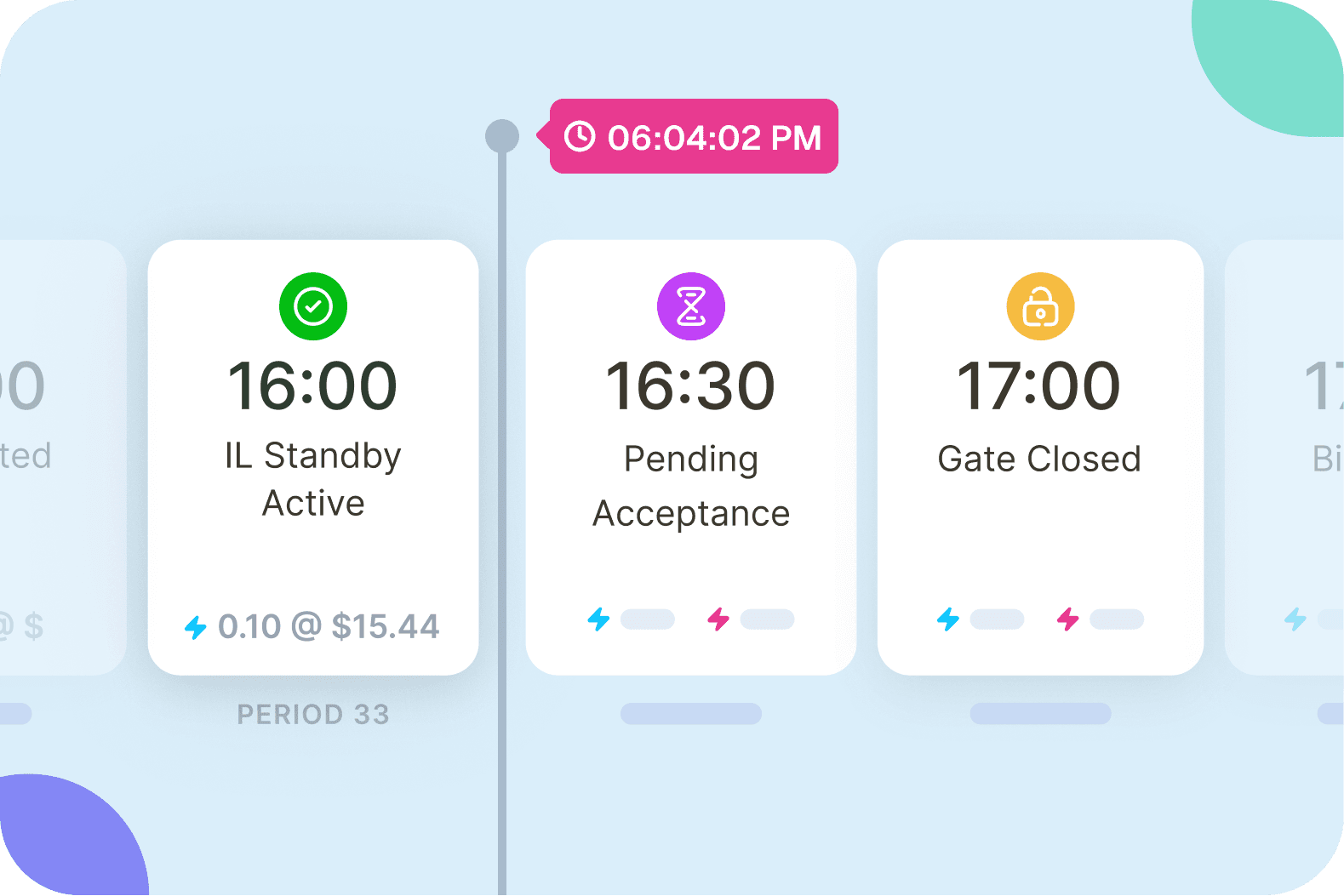
Your battery stands by
Your battery stands by
Your battery stands by
EMA sends an activation signal to batteries in the VPP when Singapore's grid needs capacity - typically a few times a month, for 30-60 minutes each.
EMA sends an activation signal to batteries in the VPP when Singapore's grid needs capacity - typically a few times a month, for 30-60 minutes each.
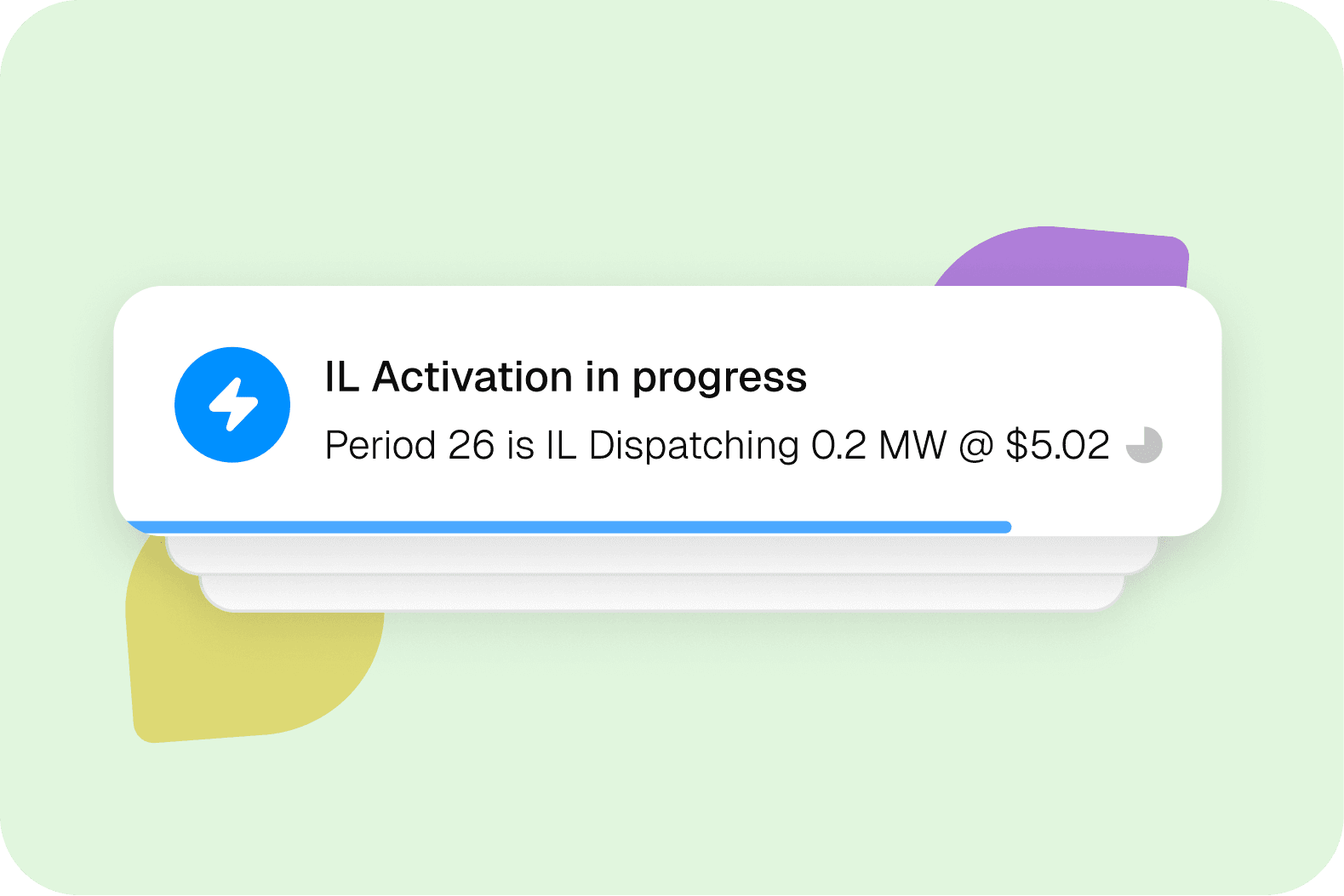
Your battery discharges to the grid
Your battery discharges to the grid
Your battery discharges to the grid
Within seconds of the signal, your battery begins discharging to the grid. Your operations are untouched.
Within seconds of the signal, your battery begins discharging to the grid. Your operations are untouched.
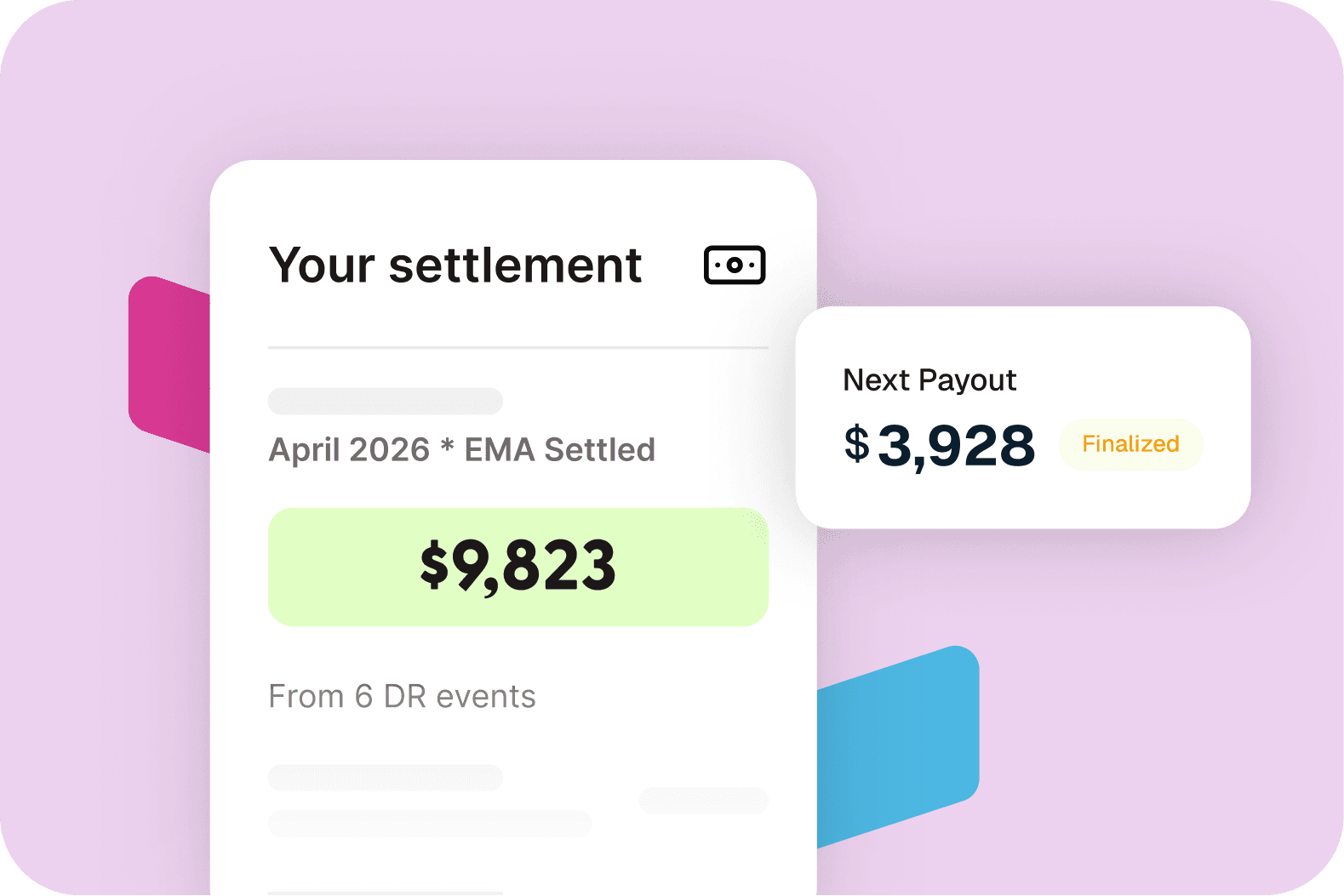
You get paid
You get paid
You get paid
EMA settles each dispatch against wholesale prices. Your share lands in your account monthly - a guaranteed floor, plus more when the grid calls often.
EMA settles each dispatch against wholesale prices. Your share lands in your account monthly - a guaranteed floor, plus more when the grid calls often.
What you get
You keep your retailer, your operations, and your capex. We bring everything else.
You keep your retailer, your operations, and your capex. We bring everything else.
We pay for the battery. Every part of it.
We pay for the battery. Every part of it.
We finance, install, own, insure, and maintain it for the life of the contract. You don't approve a capital expense. You don't take on a service contract. You don't budget for maintenance. Your finance team sees a new revenue line, not a new cost line.
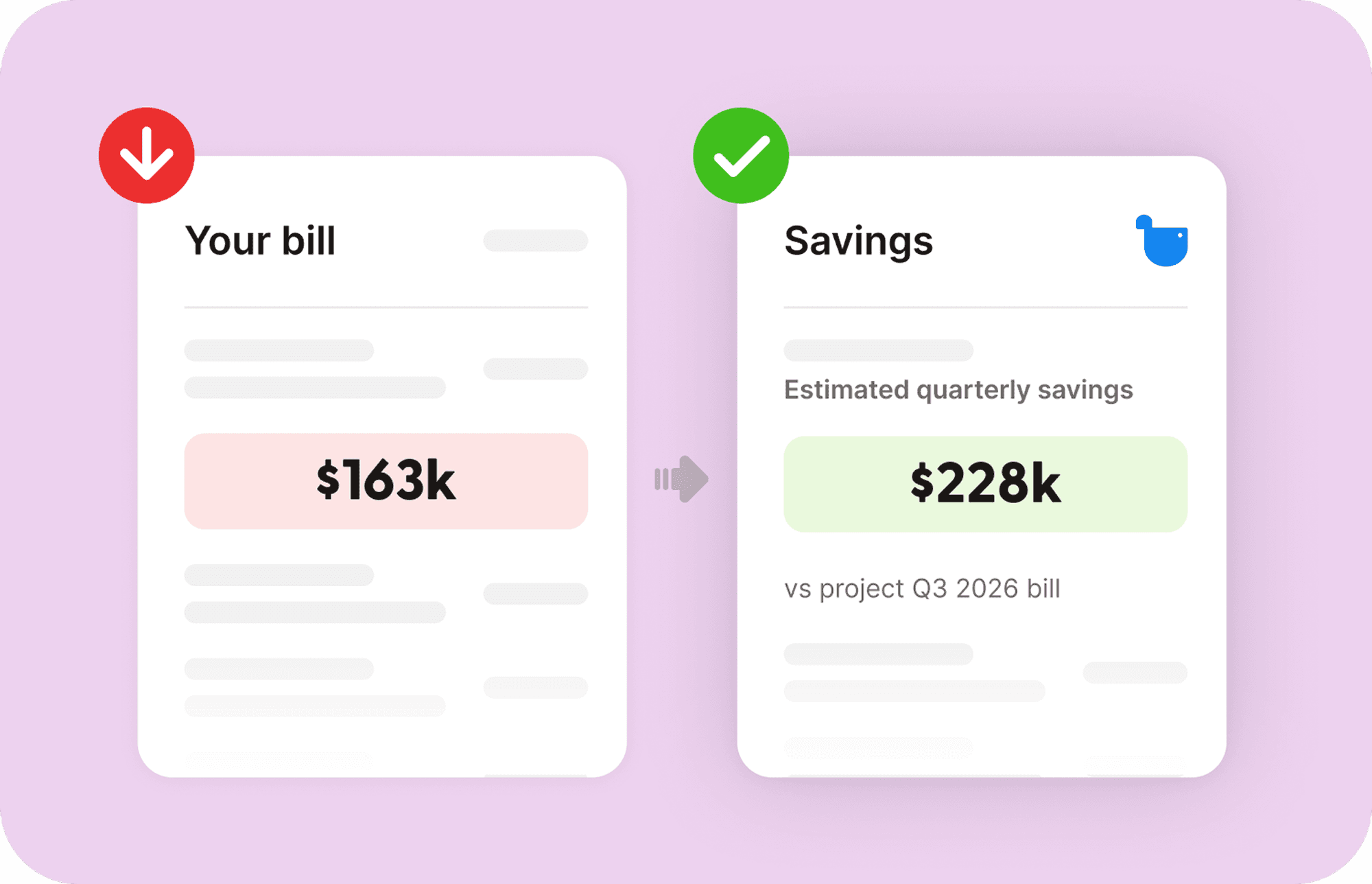
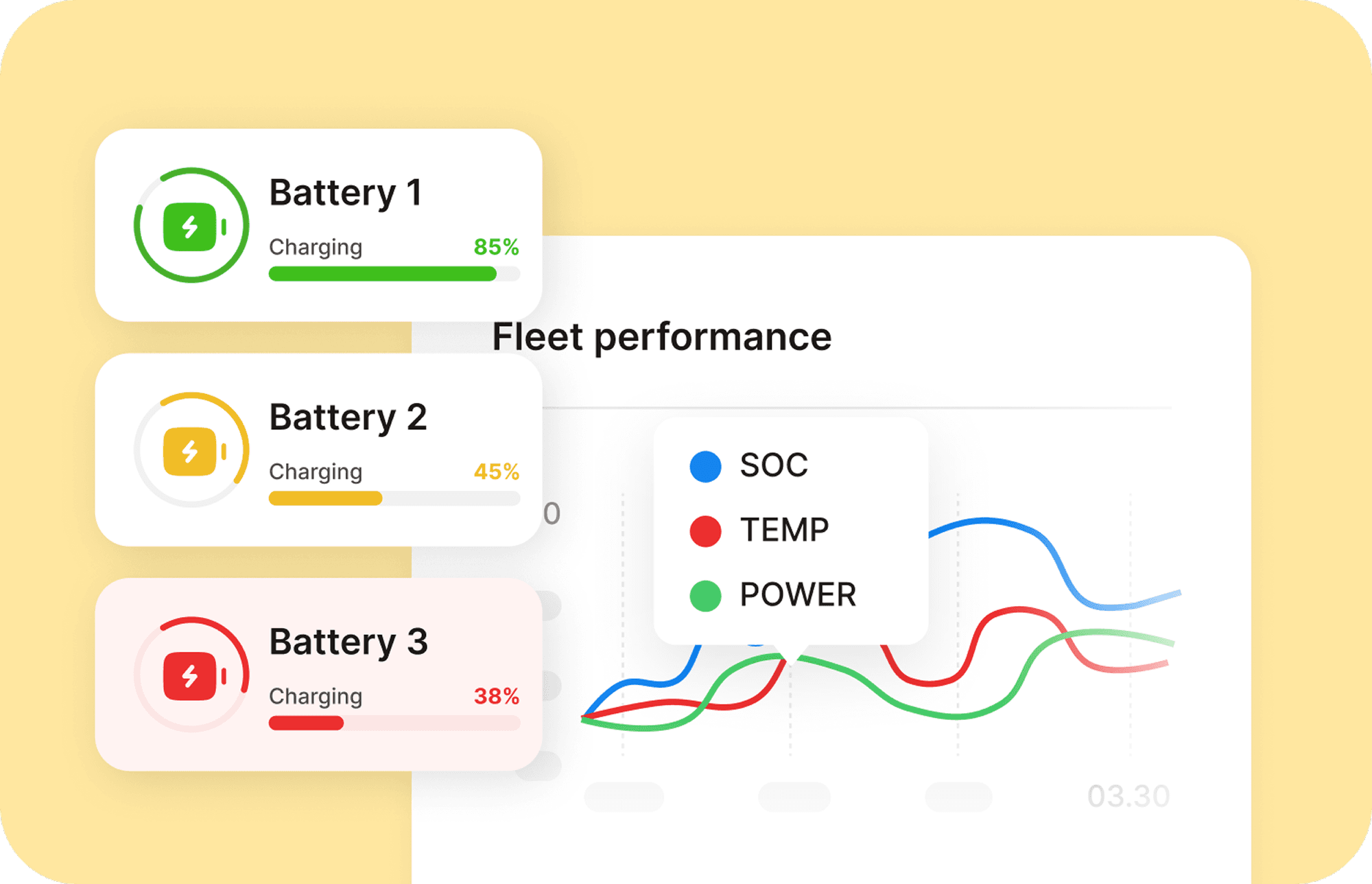
A fixed floor, plus more when prices spike.
A fixed floor, plus more when prices spike.
A fixed monthly payment, guaranteed in your contract and sized to your facility. For well-sized installations, this typically lands in the mid-teens as a percentage of your current bill — with upside when USEP volatility rises. Your income moves opposite to your bill.
Nothing about your operations changes.
Nothing about your operations changes.
Your cooling, your team, your workflows, your compliance scope - unchanged. The first signal that the battery is live will be a payment in your account, about 12 weeks after you sign.
Your cooling, your team, your workflows, your compliance scope - unchanged. The first signal that the battery is live will be a payment in your account, about 12 weeks after you sign.
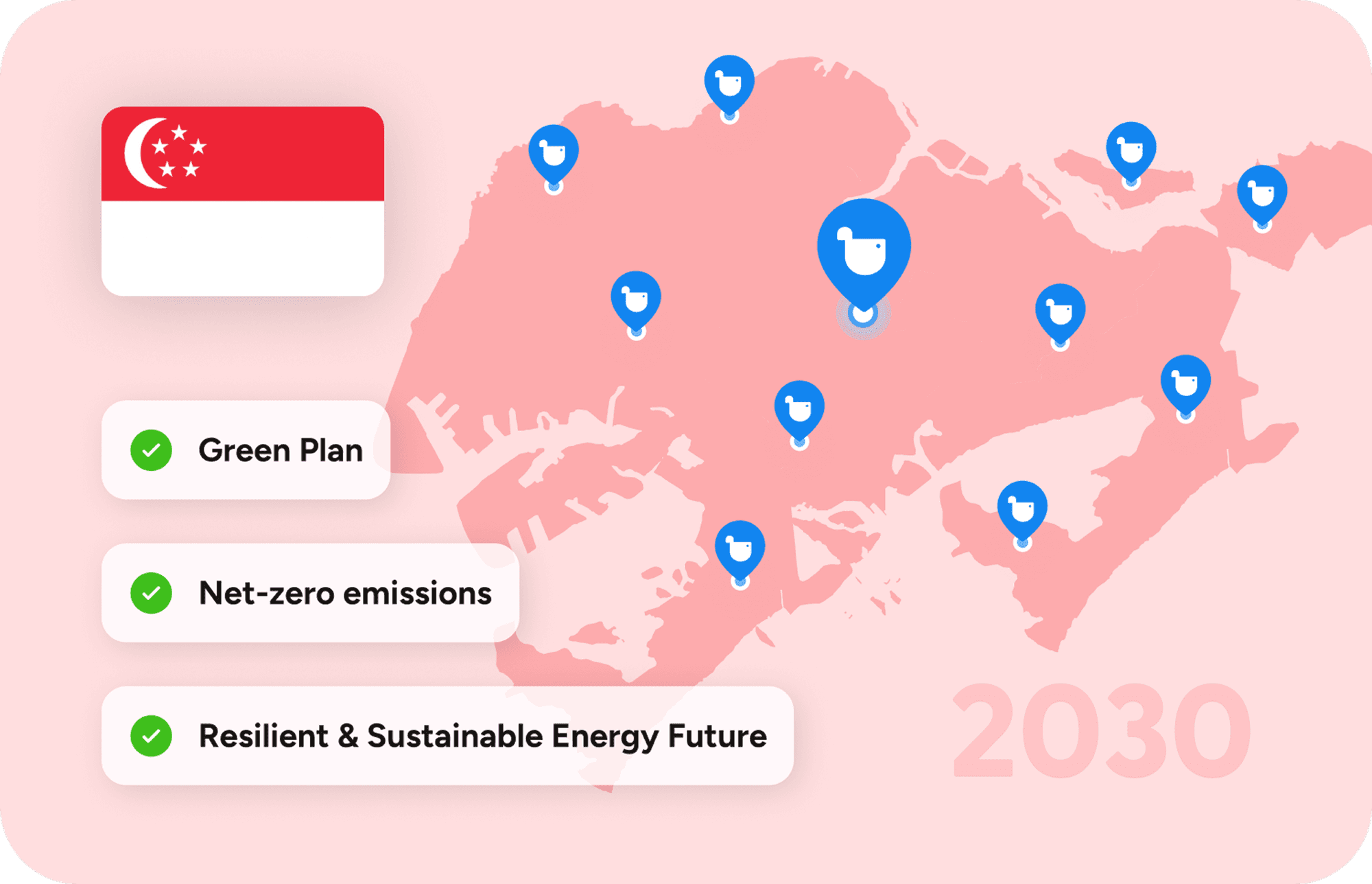
A Green Plan-aligned sustainability credential
A Green Plan-aligned sustainability credential
Demand response is part of how Singapore reaches its 2030 emissions targets - every MW of distributed battery capacity is a MW of peaker plant the grid doesn't have to run. Your facility contributes directly.
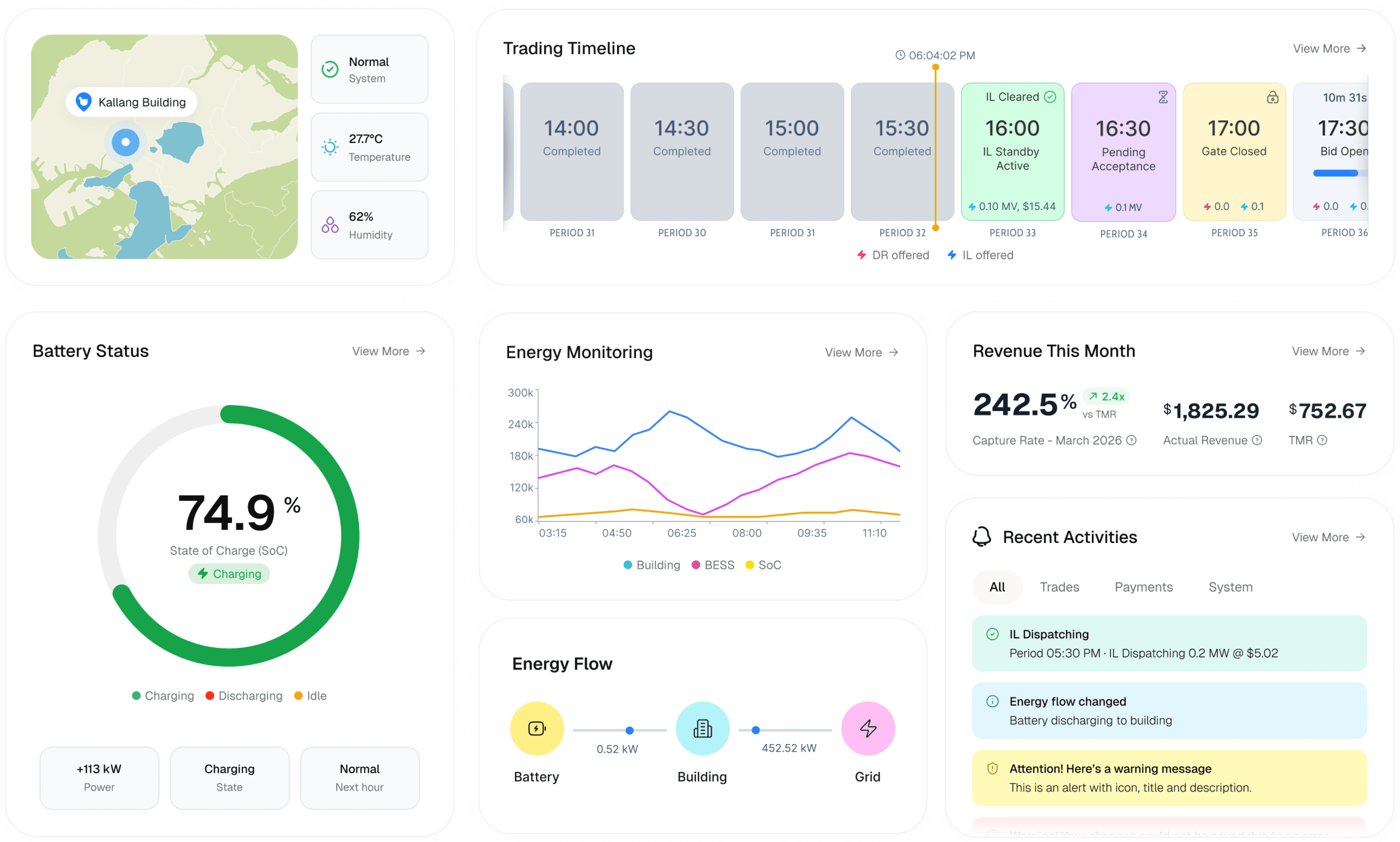
How Blue Whale Energy helped a commercial building earn S$140,000 in annual incentive payments
How Blue Whale Energy helped a commercial building earn S$140,000 in annual incentive payments
How Blue Whale Energy helped a commercial building earn S$140,000 in annual incentive payments
Proof in the field · Case study
Proof in the field · Case study
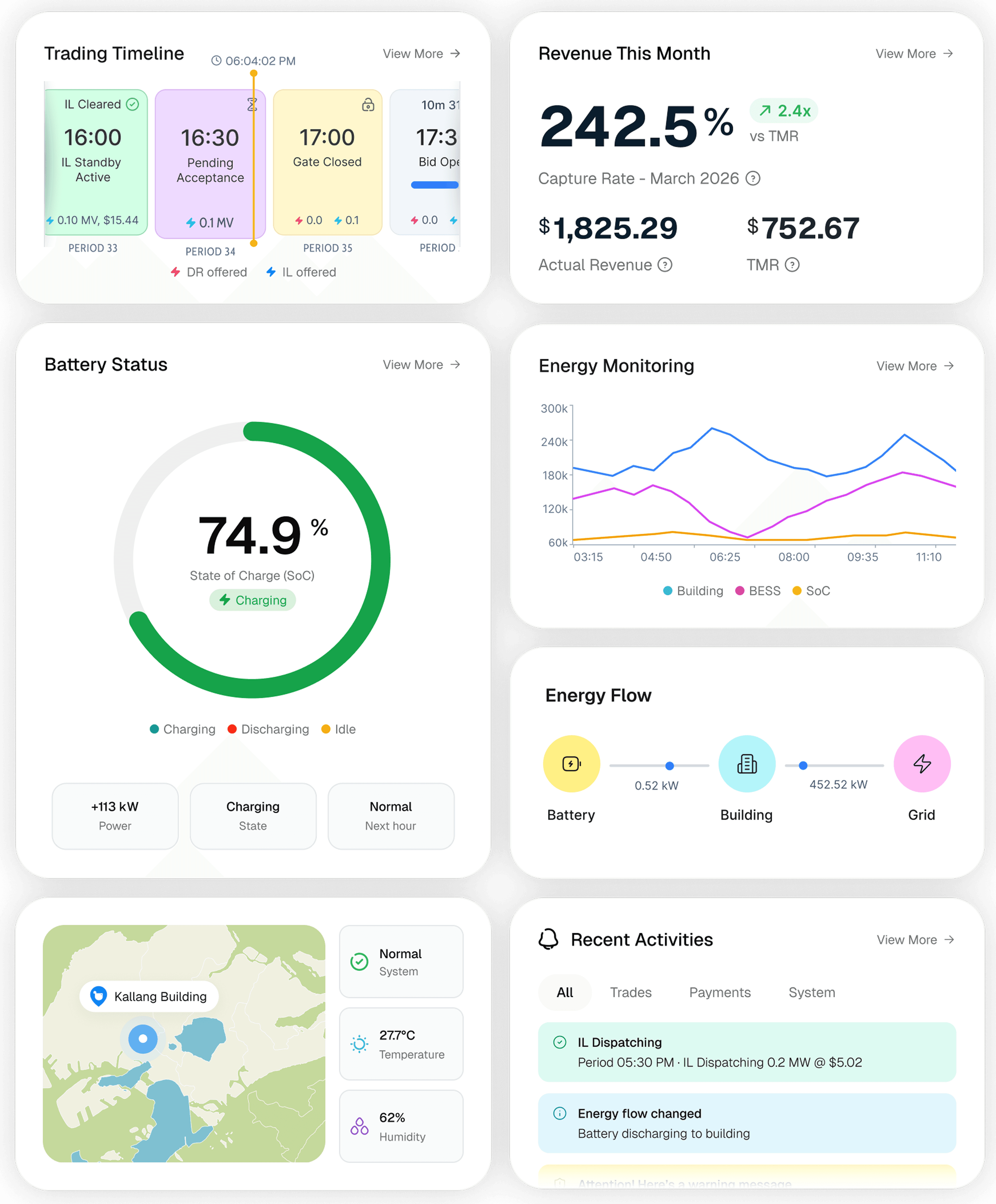
A commercial building in Kallang enrolled in BWE's Demand Response programme in November 2025.
A commercial building in Kallang enrolled in BWE's Demand Response programme in November 2025.
They kept their electricity retailer. They didn't change how the building operates. Over the last few months, EMA called 43 dispatch events. Every dispatch was served without facility involvement.
They kept their electricity retailer. They didn't change how the building operates. Over the last few months, EMA called 43 dispatch events. Every dispatch was served without facility involvement.
Frequently Asked Questions
Frequently Asked Questions
Where does the money come from?

From Singapore's wholesale electricity market, via incentive payments administered by the Energy Market Company (EMC). When the grid needs flexible capacity - during demand spikes, supply shortfalls, or reserve shortages - EMC pays operators who can discharge or curtail within seconds. The alternative is firing up gas-fired peaker plants, which are slower and more expensive. Batteries win that comparison, which is why the market pays for them. This is a market mechanism, not a government grant. It's been operating since 2016 and Energy Market Authority (EMA) has expanded it - most recently in October 2024, when the rules were updated to let battery energy storage systems participate. Your share flows from EMC settlement → Blue Whale Energy (the registered market participant) → you, under the terms of your contract. Paid monthly. Independent of your electricity retailer.
Is there any downside or operational disruption to me?

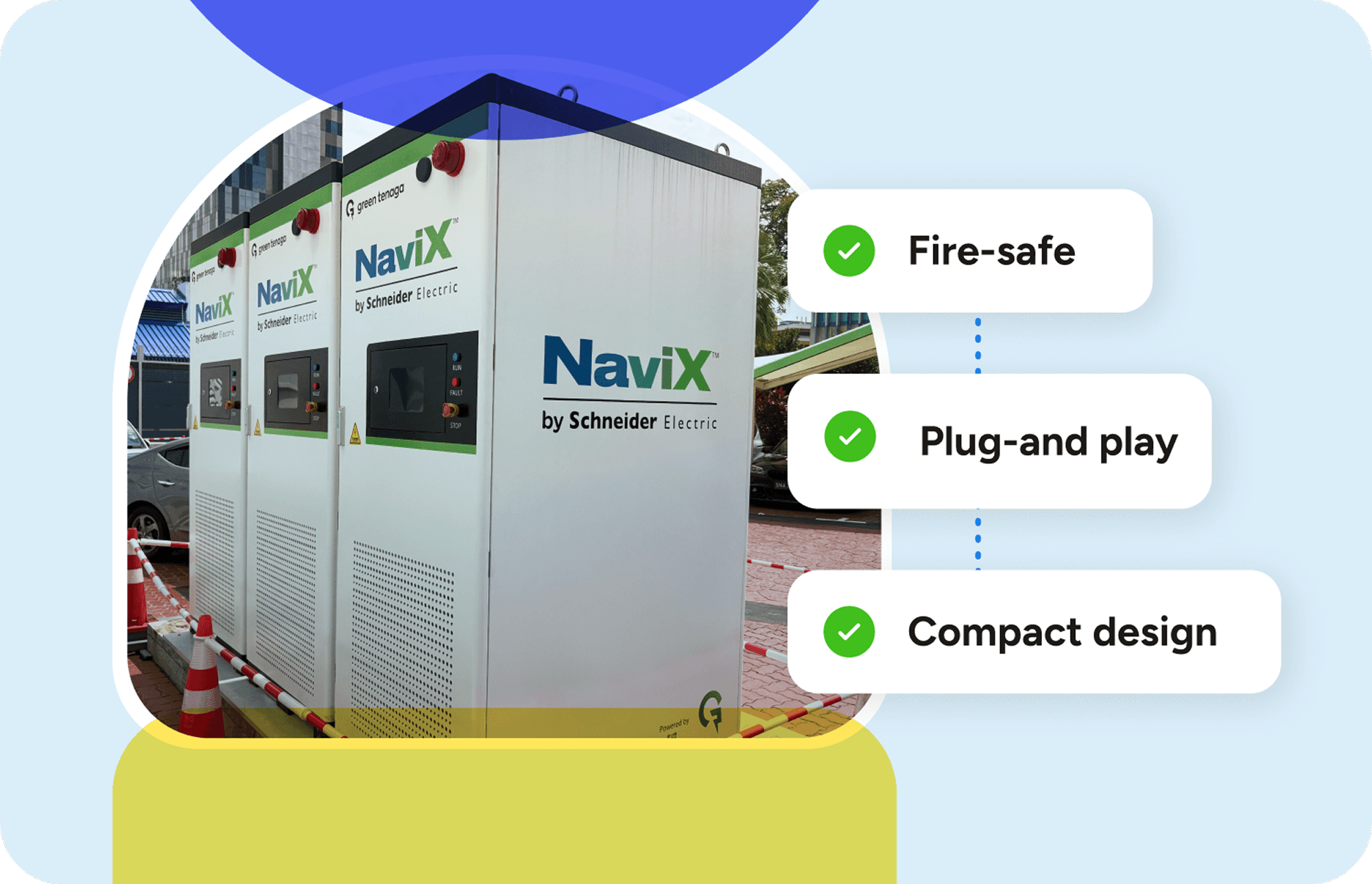
We'll give you the honest answer. Operationally, no - your cooling, your team, your SLAs, and your workflows are untouched. The battery is on a parallel connection to your grid supply, not in your facility's power path. It cannot interrupt your cooling, and we don't require any staff involvement during dispatches. Your day-to-day is unchanged. There are two small trade-offs worth naming: 1. Physical footprint. Each battery takes up roughly the footprint of a large vending machine (1m x 1.2m x 2.4m), sited outdoors on a concrete pad or carpark lot. We confirm placement during the site assessment before you sign anything. If your site can't accommodate it, we'll tell you rather than force a fit. 2. Hosting agreement for the contract term. You're agreeing to host the battery for the duration of the contract. Exit conditions are documented plainly - including what happens if you sell the facility, if you want the battery removed early, or if we cease operations. No hidden clauses, no surprises. What you're not locked into: your electricity retailer, your operational patterns, or your commercial decisions. You can shop retailers freely, change tenant arrangements, or restructure your business - none of it affects the battery or the payments.
What happens if we cannot participate during a dispatch?
You can always sit out - participation is never contractually obligated. The honest trade-off: your payment is for availability, and it scales with availability. Opt out of one window in an eight-event month, and your monthly payment is pro-rated by roughly one-eighth. It's proportional, not a penalty - payment tracking what you actually provided. This mirrors how the market works: EMA pays us for available capacity, and we pay you on the same basis. Most customers in our installed base opt out a handful of times a year, around genuinely critical operational windows. Flagging is simple - through our dashboard or our ops team.
How does Blue Whale Energy earn money?
You can always sit out - participation is never contractually obligated. The honest trade-off: your payment is for availability, and it scales with availability. Opt out of one window in an eight-event month, and your monthly payment is pro-rated by roughly one-eighth. It's proportional, not a penalty - payment tracking what you actually provided. This mirrors how the market works: EMA pays us for available capacity, and we pay you on the same basis. Most customers in our installed base opt out a handful of times a year, around genuinely critical operational windows. Flagging is simple - through our dashboard or our ops team.
Is this government funded or a subsidy?
No. Demand response is a wholesale electricity market mechanism, regulated by EMA but not funded by the government. Payment comes from electricity market clearing - not from a government budget, not from subsidies. As Singapore's grid complexity grows, these payments are expected to grow with it.
Where does the money come from?
From Singapore's wholesale electricity market, via incentive payments administered by the Energy Market Company (EMC). When the grid needs flexible capacity - during demand spikes, supply shortfalls, or reserve shortages - EMC pays operators who can discharge or curtail within seconds. The alternative is firing up gas-fired peaker plants, which are slower and more expensive. Batteries win that comparison, which is why the market pays for them. This is a market mechanism, not a government grant. It's been operating since 2016 and Energy Market Authority (EMA) has expanded it - most recently in October 2024, when the rules were updated to let battery energy storage systems participate. Your share flows from EMC settlement → Blue Whale Energy (the registered market participant) → you, under the terms of your contract. Paid monthly. Independent of your electricity retailer.
Is there any downside or operational disruption to me?
What happens if we cannot participate during a dispatch?
How does Blue Whale Energy earn money?
Is this government funded or a subsidy?
Where does the money come from?
From Singapore's wholesale electricity market, via incentive payments administered by the Energy Market Company (EMC). When the grid needs flexible capacity - during demand spikes, supply shortfalls, or reserve shortages - EMC pays operators who can discharge or curtail within seconds. The alternative is firing up gas-fired peaker plants, which are slower and more expensive. Batteries win that comparison, which is why the market pays for them. This is a market mechanism, not a government grant. It's been operating since 2016 and Energy Market Authority (EMA) has expanded it - most recently in October 2024, when the rules were updated to let battery energy storage systems participate. Your share flows from EMC settlement → Blue Whale Energy (the registered market participant) → you, under the terms of your contract. Paid monthly. Independent of your electricity retailer.
Is there any downside or operational disruption to me?
We'll give you the honest answer. Operationally, no - your cooling, your operations, and your team are untouched. The battery is on a parallel connection to your grid supply, not in your facility's power path. It cannot interrupt your cooling, and we don't require any staff involvement during dispatches. Your day-to-day is unchanged. There are two small trade-offs worth naming: 1. Physical footprint. Each battery takes up roughly the footprint of a large vending machine (1m x 1.2m x 2.4m), sited outdoors on a concrete pad or carpark lot. We confirm placement during the site assessment before you sign anything. If your site can't accommodate it, we'll tell you rather than force a fit. 2. Hosting agreement for the contract term. You're agreeing to host the battery for the duration of the contract. Exit conditions are documented plainly - including what happens if you sell the facility, if you want the battery removed early, or if we cease operations. No hidden clauses, no surprises. What you're not locked into: your electricity retailer, your operational patterns, or your commercial decisions. You can shop retailers freely, change tenant arrangements, or restructure your business - none of it affects the battery or the payments.
What happens if we cannot participate during a dispatch?
You can always sit out - participation is never contractually obligated. The trade-off: your payment is for availability, and it scales with availability. Opt out of one window in an eight-event month, and your monthly payment is pro-rated by roughly one-eighth. It's proportional, not a penalty - payment tracking what you actually provided. This mirrors how the market works: EMA pays us for available capacity, and we pay you on the same basis. Most customers in our installed base opt out a handful of times a year, around genuinely critical operational windows. Flagging is simple - through our dashboard or our ops team.
How does Blue Whale Energy earn money?
You can always sit out - participation is never contractually obligated. The trade-off: your payment is for availability, and it scales with availability. Opt out of one window in an eight-event month, and your monthly payment is pro-rated by roughly one-eighth. It's proportional, not a penalty - payment tracking what you actually provided. This mirrors how the market works: EMA pays us for available capacity, and we pay you on the same basis. Most customers in our installed base opt out a handful of times a year, around genuinely critical operational windows. Flagging is simple - through our dashboard or our ops team.
Is this government funded or a subsidy?
No. Demand response is a wholesale electricity market mechanism, regulated by EMA but not funded by the government. Payment comes from electricity market clearing - not from a government budget, not from subsidies. As Singapore's grid complexity grows, these payments are expected to grow with it.
Regulated by Singapore's Energy Market Authority
Licensed and trusted
Licensed and trusted
EMA VPP Regulatory Sandbox Awardee

EMA Wholesaler License (License No. EMA/EW/093)
EMC Market Participant


See what your facility could earn
See what your facility could earn
Tell us a few things about your site. We'll get back to you within 24 hours.